Podcast! Phantom of the north: great gray owls, Highland Wonders S1:E1

Meet Jack, Nature Detective: Jack is inquisitive, skeptical, creative, quirky, determined, and a friend to ALL critters. His observations of subtle clues and brilliant reasoning make him, quite possibly, one of the world’s most talented nature detectives. Like most of us, Jack’s understanding of the world comes from his own life experiences. He is five years old, and his investigative skills are top notch. If you were to stop by his house you might find our Nature Detective in the midst of an experiential study of squirrel movement, or determining the optimal shelter and food stores for his new pet grasshopper, named Grasshopper. Today, we will share a mystery that Jack uncovered in the Okanogan Highlands. What clues can you uncover in the story?
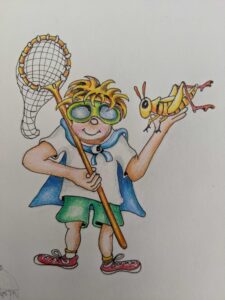
Jack, Nature Detective. Illustration by Diana Weddle.

One day in October, Jack, the Nature Detective, is out on a hike in the Okanogan Highlands with his family. The needles of the Western Larch are lighting up the flank of Bonaparte Mountain with yellow, bright against the dark green of the other conifers. The afternoon is warm and Jack’s whole family is enjoying the way the sunbeams filter down through the forest canopy. 

Suddenly, Jack detects something. His eyes open wide and he whispers, “Who’s out there? Mom? Is someone watching us?” Everyone stops and looks around, no one is there, just the quiet forest. But the whole family kind of feels like there is something there, so they come to a full stop and really look around. There is a fallen tree, leaning steeply against its neighbor. The trees are tall in this place – and big around. Some have broken off way up in the air. But no one sees any sign of eyes watching them.

Jack’s mom says, “Don’t worry, Jack. Sometimes when you are outside, it really feels like something is watching you. Maybe animals are watching. The creatures that live in these woods are specially adapted to be camouflaged in this habitat. The shapes of their bodies and their colors blend right into the shapes and colors of the forest. They stay very still, so our eyes just slide right past them without even seeing them. Their camouflage keeps them safe.” Just a little way farther on, Jack stops again, staring at a splotch of white on the ground, and, looking closer, he notices small gray lumps that look a bit furry, and a little bit…bony. What is this? Does it have something to do with that creepy feeling of being watched? 

This is a nature mystery and, fortunately, the Nature Detective is on the job. He pulls out his sample jars, some forceps, and a hand lens, and collects the gray lumps for analysis at home.

Back at home, Jack dons his lab coat, goggles, and protective gloves and examines the gray lumps. He uses the forceps to pull out a pile of tiny bones. He painstakingly counts the bones and declares that this is undoubtedly the droppings of a hungry rodent eater. 
Look for our podcast logo!

He considers his clues: forest habitat with big trees, snags, and leaning trees, a creature that eats rodents and lives in the Okanogan Highlands. He remembers that feeling of being watched. Jack’s hypothesis is that this nature mystery is likely an owl, but it could be a coyote, weasel, or snake, and he is not quite willing to dismiss the possibility that it could be a baby velociraptor or a saber tooth tiger. Do you think Jack’s owl hypothesis is correct? What other evidence would you need to verify Jack’s forest find? To learn more, check out the new podcast, Highland Wonders, produced by Okanogan Highlands Alliance. The first episode, Great Gray Owls: The Phantom of the North, features Matt Marsh, wildlife biologist with the US Forest Service in Tonasket. You can find the podcast at any of the following apps: Apple Podcasts, Spotify, Breaker, RadioPublic, Pocket Cast, Google Podcasts.

Stay tuned! Jack will continue to solve nature mysteries on topics related to upcoming episodes of the Highland Wonders Podcast. Episodes will be released throughout the winter, and accompanying mysteries will be posted on OHA’s website.
Local Loon Tales

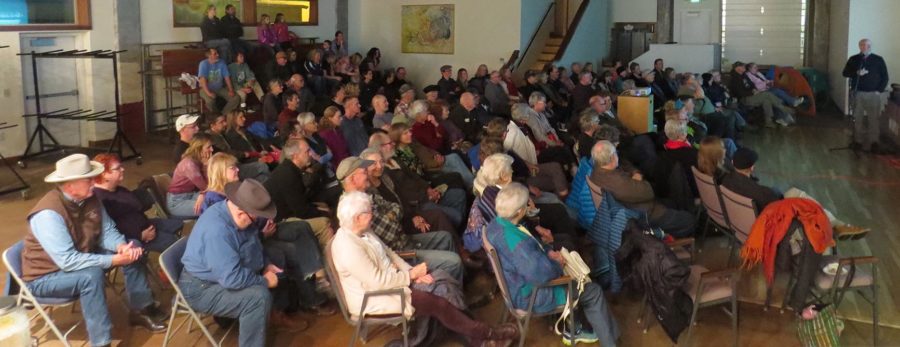
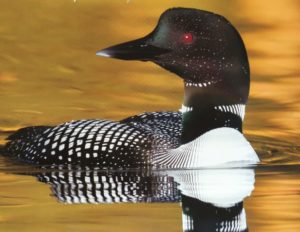
On Friday, November 2nd, 2018, Dan and Ginger Poleschook returned to the Highland Wonders education series to update our community on how our local loons have fared in the seven years since the Poleschook’s last presentation in Tonasket. They shared stories of our local loons — where they hatched, adventures they have experienced, obstacles they have overcome, and which loons at which lakes are related to each other. Some stories reflected loons as being highly intelligent, beyond their basic survival skills and genetic influences, and provided examples of loons having long-term memories of places and people. We learned ways in which people have helped loons survive, and what we can do to increase and protect future populations of the common loon.

Continue reading

A Year in the Life of North American Owls

On Friday, January 6th, 2017, award-winning photographer Paul Bannick returned to Highland Wonders with a presentation based on his new book, Owl: A Year in the Lives of North American Owls. In Owl, Paul uses his intimate yet dramatic images to follow North American owls through the course of one year and in their distinct habitats.

Continue reading

Gifts of the Crow

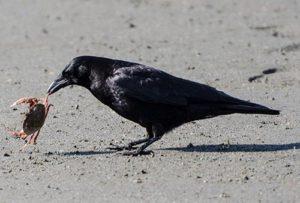
Crows are mischievous, playful, social, and passionate. They have brains that are huge for their body size and exhibit an avian kind of eloquence. They mate for life and associate with relatives and neighbors for years. And because they often live near people, they are also keenly aware of our peculiarities, quickly learning to recognize and approach those who care for them, even giving numerous, oddly touching gifts in return. The characteristics of crows that allow this symbiotic relationship are language, delinquency, frolic, passion, wrath, risk-taking, and awareness—seven traits that humans find strangely familiar.

Continue reading

Grouse and Spouse

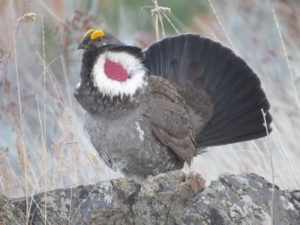
The Highland Wonders educational series kicked off 2016 with an opportunity to learn about the world of grouse breeding behavior, with an inside perspective on grouse mating systems Dr. Michael Schroeder. Mike has a Ph.D. in wildlife biology and is the upland bird research scientist for the Washington Department of Fish and Wildlife.

Continue reading

The World Needs More Birders

Renowned biologist, birder, and author Dick Cannings brought his vast knowledge of birds to Highland Wonders on Friday, February 6, 2015. In his inspiring presentation, “The World Needs More Birders,” Cannings demonstrated how going out to enjoy and watch birds can also generate valuable information about the abundance and distribution of bird species in our region. Drawing on a long career as a professional biologist, Cannings conveyed anecdotes, stories, and experiences that underscore the need for citizen science programs. Through coordinated efforts, the public can be actively involved in turning bird watching into a collective database of bird breeding, bird behavior, and migration.

Continue reading

Phantom of the North: the Elusive Great Gray Owl

Not only are Great Gray Owls the largest owl in North America with the largest wingspan, their stature and countenance spark a sense of wonder. With alternate names such as “Great Grey Ghost” and “Phantom of the North,” they inspire awe and pique our curiosity. From unique adaptations for locating prey, to behaviors for defending their nests, to strategies for successful breeding, these masters of silent flight capture our interest.

Continue reading

The Saga of Washington’s Fish and Wildlife

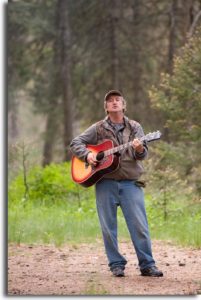
Ken at Lost Lake (Photo by Teri Pieper)

On February 7th, 2014, wildlife biologist Ken Bevis, who is also a singer/songwriter, provided an entertaining evening of stories, photos, songs and science, aiming for a closer understanding of some of Washington’s fish and wildlife… sometimes from the viewpoint of the critters themselves! This family-friendly program was fun for all ages! Species featured in the “Saga of Washington’s Fish and Wildlife” presentation included: sandhill crane, bull trout, chinook salmon, hummingbirds, black bear, and more…

Continue reading

Go Back