Highland Wildflowers: Their Beauty and Their Biology
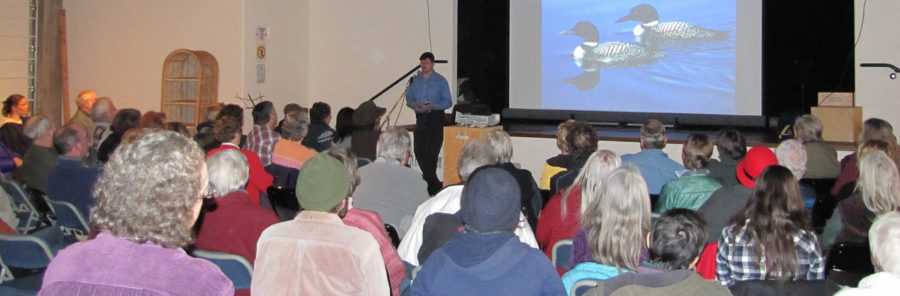
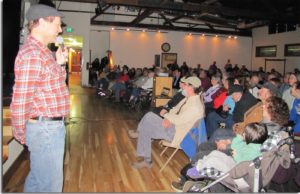
On Friday, November 2nd, 2012, Dana Visalli opened OHA’s third indoor educational series with an engaging talk on “Highland Wildflowers: Their Beauty and Their Biology.”
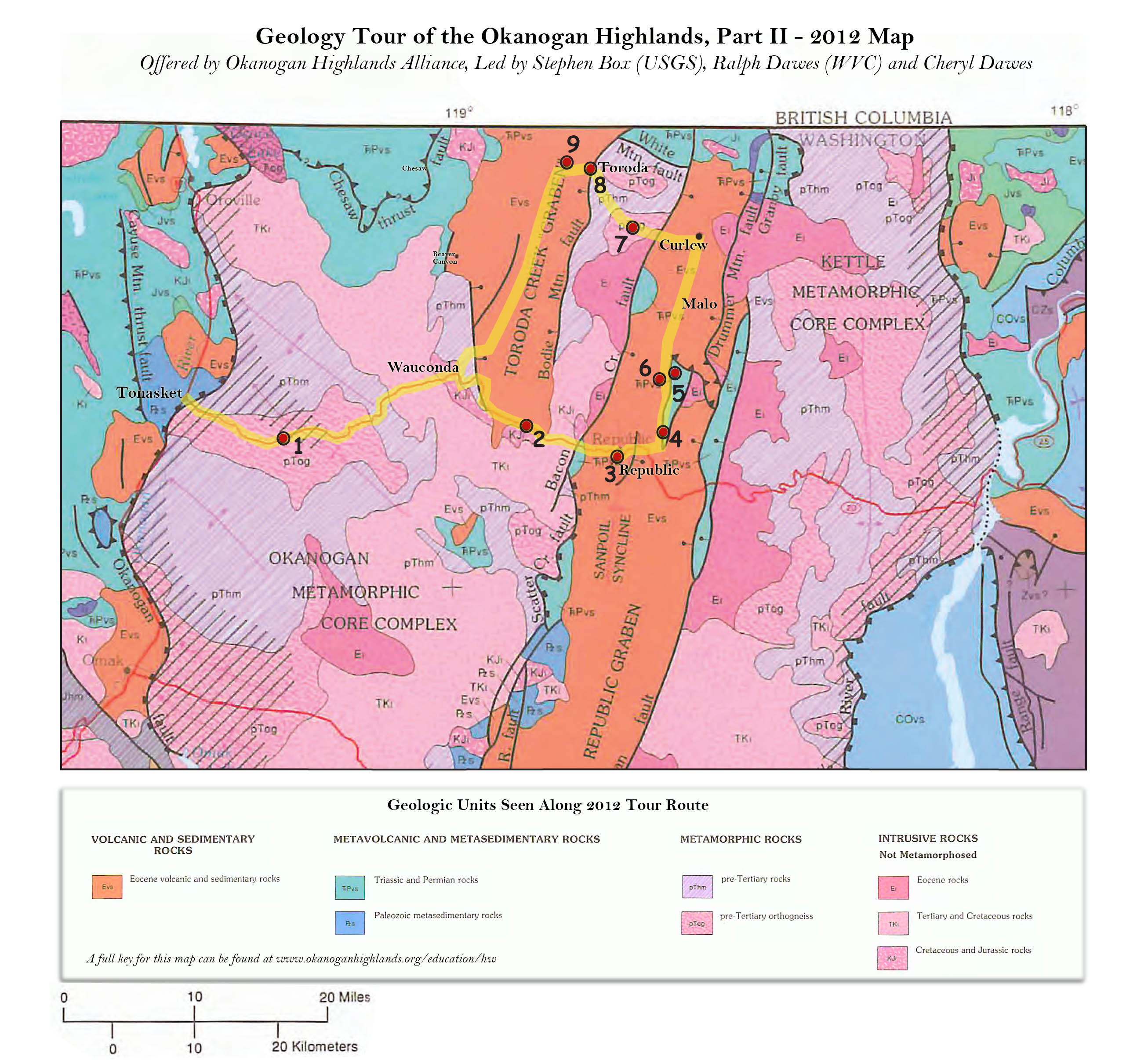
OHA’s 2012 outdoor Highland Wonders season closed with an all day tour, “Geology of the Okanogan Highlands,” led by Steve Box (USGS), Ralph Dawes (WVC), and Cheryl Dawes (B.S. Geological Sciences). Transported by a school bus, community members stopped in several locations along a loop that spanned the Republic and Toroda Grabens as well as the Okanogan Metamorphic Core Complex. From pictographs to garnets, and from volcanic/granitic faults to the highly unusual Corkscrew Mountain, the group considered a diverse array of features that shape the landscape as we know it.
The July “Magic of Wetlands” habitat tour was led by George Wooten, Bob Gillespie, and Kathleen Johnson, who together created a window into the special roles and adaptations of wetland plants, insects, and birds, respectively.

On July 7, 2012, local botanist George Thornton lead a group of community members into a seldom seen Western Red Cedar ecosystem near Chesaw, WA. Mr. Thornton opened the first Highland Wonders series in November 2010 by sharing his knowledge and photos of unique and rarely seen Okanogan Highland plants; in the summer of 2011, he led a walk along the wetland fringe and woods at Lost Lake, and 2012 brought this opportunity to learn more about Okanogan County’s remnant cedar populations. A group of community members ventured Northeast of Buckhorn Mountain, where an extraordinary ecosystem thrives because of the shade, stable soils, organic matter and habitat provided by the Western Red Cedar.

On Friday, May 4th, Idie Ulsh provided a window into the life of butterflies, with “Wings of Beauty,” a fast moving, fun program on butterflies.
On Friday, April 6th, WA Department of Fish and Wildlife biologist, Jeff Heinlen, brought to Highland Wonders the ecology, history, and management associated with the Bighorn Sheep of Okanogan County.
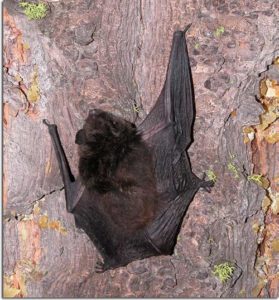
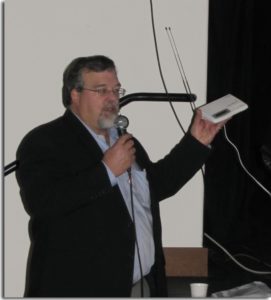
On Friday, March 2nd, Roger Christophersen, wildlife biologist for the North Cascades National Park Service, shared stories and information about the amazing adaptations and natural history of our local bat species. From the thick crevices in tree bark and abundant insect supply at Lost Lake, to the forest and wetland habitats of Beaver Canyon, the Okanogan Highlands is a great place for bats to thrive. The presentation covered bat ecology, echolocation calls, habitat requirements, and bat species identification.

Paul Bannick’s presentation took us on a visual and auditory exploration of local habitats, through the owls and woodpeckers that most define and enrich these places. His photographic field report celebrates the ways the lives of these two iconic birds are intertwined with one another, and their role as keystone and indicator species for their environment. The Highland Wonders audience was immersed in the sights and sounds of forest, grassland, and desert, and in the entertaining and informative details of Paul’s narrative.

On Friday, January 6th, 2012, John Livingston of the Spokane National Weather Service (NOAA) shared insight into the weather of the Okanogan Highlands and surrounding areas.
On Friday, November 4th, Highland Wonders sought out a better understanding of Washington’s largest and most recognizable mammals. Gus Bekker and Adelle Waln of the Grizzly Bear Outreach Project provided a presentation covering bear ecology, behavior and identification, comparing and contrasting the two bears that reside in Washington: black bears and grizzly bears.