New Documentary Released! Working With Nature: An Ongoing Story of Wetland Regeneration
We are so excited to announce the release of OHA’s new documentary, Working With Nature: An Ongoing Story of Wetland Regeneration

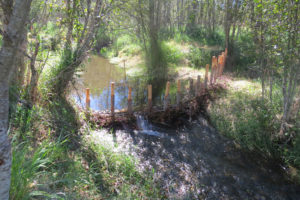
This short film paints a picture of process-based restoration as an act of reciprocity. Through hands-on efforts like planting native vegetation and constructing beaver dam analogs, Okanogan Highlands Alliance seeks to heal a degraded stream and wetland system – not by imposing control, but by listening, learning, and partnering with the ecosystem.

Found near Chesaw, Washington in the Okanogan Highlands, Triple Creek is part of a creek-floodplain system that historically supported a complex, diverse wetland. A rain-on-snow event in the late 1990’s caused the creek to incise and straighten. The wetland drained, losing its ability to slow and store water and to support wetland species. 

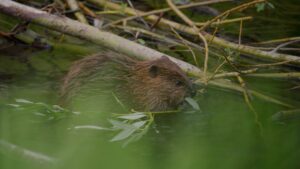
As water slows down, spreads out, and wets the ground, native vegetation grows and flourishes, enabling diverse species, including beaver, to return to the wetland. The film explores how restoration is more than science – it’s a relationship. Woven through the physical labor are reflections on gratitude, responsibility, excitement, and what it means to repair harm done to  living systems. By working with nature, we begin to regenerate the natural world that sustains us all.

Click here to learn more about Triple Creek and watch the film!
World Wetlands Day 2019

Wetlands around the world protect communities while helping fight climate change

As the world grapples with climate change, those commemorating World Wetlands Day Feb. 2 are highlighting the importance of restoring, conserving, and wisely using wetlands because they can help reduce floods, relieve droughts, and buffer coastlines from extreme weather.

In the state of Washington, we work every day to protect and manage wetlands. The environmental and economic benefits they provide nature, our communities, and way of life are immeasurable…

To help celebrate World Wetlands Day, the WA State Department of Ecology selected the Triple Creek project to feature on their blog. Click here to read the full article.

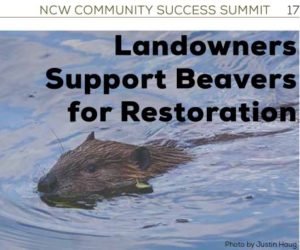
Landowners Support Beavers for Restoration

In 1980, a group of like-minded individuals purchased over 500 acres of land along Myers Creek north of Chesaw, on a site now known as Triple Creek. They formed an intentional community based on simple living and sustainable paths for securing food and shelter. Several households now live on this Okanogan Highlands landscape of forests, meadows, wetlands, and riparian areas. A primary goal of the community is improving and restoring wildlife habitat for native species. Members have developed a forest management plan, rehabilitated overgrazed pastures, and reduced noxious weeds, thus reestablishing native plants. By engaging with local non-profits and agencies for wetland restoration, the community is creating a legacy to benefit future generations…

Read more about the role of the land stewards and the development of this collaboration in this 2015 IRIS (Initiative for Rural Innovation & Stewardship) Success Supplement excerpt.

Collaborative Team Works to Restore Wetland

On the western toe of Buckhorn Mountain, in a place called Triple Creek, a rich wetland once thrived. A productive great blue heron rookery overlooked large beaver ponds teeming with trout. Myers Creek spilled over its banks, keeping the soils wet so that animals from all levels of life could flourish – from dragonflies to frogs to birds of prey. In the late 1990’s, an unusually heavy rain-on-snow event changed everything…

Click here for the full article in the Okanogan Valley Gazette-Tribune

Mimicking Beavers to Heal Damaged Streams

Okanogan Conservation District, March 2016

The Okanogan Highlands Alliance (OHA) is working with partners to benefit water quality and quantity, and to increase habitat for fish and wildlife, by reducing severe stream channel incision that disconnects Myers Creek (north of Chesaw) from its floodplain. These changes will facilitate the growth of native vegetation on the historical and new floodplains, providing resources to encourage beavers to recolonize the area and improve the hydrology of the project sites into the future…

Click here for the full article…

Go Back